
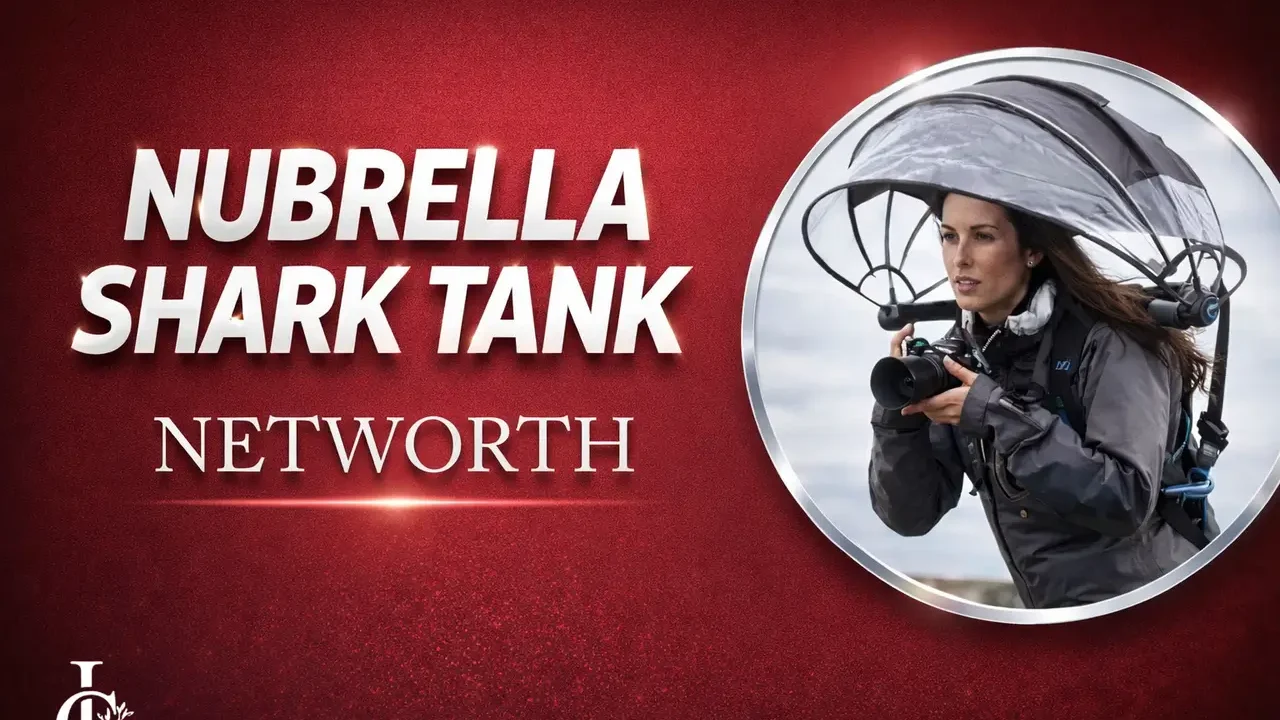
Nubrella is a revolutionary hands-free umbrella that has captured attention for its unique wearable umbrella design, offering full rain protection while keeping your hands free. Unlike traditional umbrellas, Nubrella allows commuters and outdoor enthusiasts to stay dry without juggling bags, phones, or other essentials, making it a standout piece of outdoor gear.
The product gained nationwide recognition after its appearance on a popular Shark Tank episode, highlighting its product innovation and market potential. With its practical functional product design and appeal as a niche consumer product, Nubrella demonstrates how a simple idea can transform daily life while building meaningful brand recognition.

What Is Nubrella?
Nubrella is a wearable umbrella designed to provide complete rain coverage while leaving the hands free. Unlike traditional umbrellas, it rests on the shoulders using a hands-free design, allowing users to walk, carry bags, or use devices easily. The umbrella protects the head, shoulders, and upper body from rain, making it a practical commuter umbrella and outdoor gear solution.
The product stands out due to its functional product design and its appeal as a niche consumer product. By targeting people who walk, cycle, or work outdoors, Nubrella addresses consumer acceptance issues that traditional umbrellas often fail to solve. Its hands-free umbrella innovation makes it ideal for city commuters and delivery workers, creating a strong market potential despite its unconventional appearance.
The Idea Behind the Nubrella Umbrella
The idea for Nubrella came when Alan Kaufman noticed that traditional umbrellas left clothing and bags wet during heavy rain. He designed a wearable umbrella with a hands-free design that distributes weight across the shoulders. The invention prioritizes utility over fashion, emphasizing product innovation and functional product design. The result is a commuter umbrella that is both practical and durable, especially in windy conditions.
Nubrella Shark Tank Pitch
The Shark Tank pitch of Nubrella introduced the product to millions of viewers nationwide. Alan Kaufman sought investment to scale manufacturing, expand product distribution, and prove market adoption of the hands-free umbrella concept. The Shark Tank episode showcased the innovative product design and emphasized startup milestones achieved before the show.
During the Shark Tank deal discussion, the Sharks questioned whether consumers would embrace the unusual wearable umbrella. While they praised the product innovation and market potential, they hesitated due to doubts about consumer acceptance and repeat purchase behavior. The pitch illustrated how exposure alone can create brand equity, even without a formal Shark Tank deal.
Which Shark Invested in Nubrella
No Sharks invested in Nubrella during the show. Concerns centered on social acceptance and mass-market adoption rather than product functionality. Despite this, the Shark Tank episode provided immediate national visibility, boosting online marketplace traffic and testing direct-to-consumer sales potential.
Nubrella Shark Tank Update
After the Shark Tank episode, Nubrella experienced a surge in public attention. Website visits increased, social media mentions spiked, and early adopters placed product sales orders. However, turning curiosity into consistent revenue required careful operational stability and attention to startup revenue management.
The company focused on fulfilling orders and maintaining small business growth. The post-show phase revealed challenges in product distribution and meeting seasonal demand, as umbrellas have higher sales in rainy months. Despite limited mainstream adoption, Nubrella achieved sustainable business longevity.

What Happened to Nubrella After Shark Tank
Following the Shark Tank episode, Nubrella stabilized as a niche brand. Its hands-free design attracted a dedicated audience of commuters and outdoor professionals. While not a mass-market success, Nubrella maintained steady direct-to-consumer sales, showcasing invention success and small business growth.
Nubrella Net Worth in 2026
The 2026 net worth of Nubrella reflects its modest but sustainable business growth. Estimates place the company valuation in the low seven-figure range, relying on brand equity, startup revenue, and ownership of the hands-free umbrella design. Unlike high-growth startups, Nubrella focuses on maintaining operational stability and steady revenue streams.
Before the Shark Tank episode, business valuation was speculative, based on the potential of product innovation. After the show, actual product sales, market adoption, and feedback helped determine a more realistic company valuation. Factors like seasonal demand, direct-to-consumer sales, and consumer acceptance continue to influence its 2026 net worth.
Current Nubrella Company Valuation Table
| Metric | Estimate (2026) |
|---|---|
| Annual Revenue | $500,000 – $750,000 |
| Market Position | Niche consumer product |
| Product Distribution | Online marketplace, select retailers |
| Company Valuation | $1,000,000 – $2,000,000 |
| Founder Net Worth | $750,000 – $1,200,000 |
Nubrella Revenue & Income Sources
Nubrella earns primarily from product sales through direct-to-consumer sales on its website and select online marketplaces. Seasonal spikes in demand during rainy months create fluctuations in startup revenue. Limited retail partnerships preserve pricing control but limit rapid expansion.
Revenue depends on market adoption, repeat customers, and consumer acceptance of the hands-free umbrella. Without diversification, Nubrella focuses on steady business growth, operational stability, and maintaining brand equity. Expanding the product line or international markets could increase revenue streams but requires additional investment.
How Nubrella Makes Money
The company generates income exclusively from selling the wearable umbrella. The direct-to-consumer sales model ensures high profit margins per unit, though volume remains limited. The simplicity of revenue sources emphasizes sustainability over rapid growth.
Nubrella Founder & Team
Alan Kaufman, the inventor of Nubrella, drives the entrepreneurial journey of the brand. His focus on functional product design and practical problem-solving helped maintain operational stability and small business growth. The team behind Nubrella remains lean, prioritizing quality control and product innovation over media exposure.
Team members contribute to product distribution, marketing, and customer support. Their collaboration ensures consistent startup revenue and steady business longevity, reflecting disciplined management and commitment to invention success.
Founder Background
Alan Kaufman had a hands-on approach to innovation. His experience emphasizes observation, prototyping, and refining commuter umbrella functionality, rather than chasing trends. This practical approach shaped Nubrella’s success as a niche consumer product.
Career & Success Journey
The career and success journey of Alan Kaufman started with identifying problems in traditional umbrellas. He prototyped a hands-free umbrella to improve coverage and usability. Early startup milestones included testing, refining materials, and preparing the Shark Tank pitch.
Challenges included high manufacturing costs, seasonal demand, and skepticism about market adoption. Overcoming these obstacles led to steady product sales and long-term business growth. Startup revenue stabilized, ensuring business longevity and demonstrating invention success.
Major Business Milestones
Key milestones include prototype development, the Shark Tank episode, early online sales, and consistent direct-to-consumer sales. These achievements reflect operational stability and small business growth despite niche positioning.

Lifestyle of the Nubrella Founder
The personal life of founder reflects practicality over luxury. Alan Kaufman invests in the business rather than extravagant luxury assets. Housing and transportation are functional, supporting business growth and daily operations. This focus ensures operational stability and efficient resource allocation.
The lifestyle mirrors the values behind Nubrella: discipline, sustainability, and reinvestment. By minimizing distractions, the founder can prioritize product innovation and maintaining steady revenue streams.
House & Luxury Assets
Public information suggests minimal luxury assets, with any property and vehicles serving functional purposes. The founder’s approach demonstrates that practical lifestyle choices can support small business growth and startup revenue.
Family & Personal Life
Family support played an essential role in the entrepreneurial journey of Alan Kaufman. Emotional encouragement helped during prototype testing and preparation for the Shark Tank episode. The personal life of founder remains private, focusing attention on product innovation and business growth.
Limited information about spouse or children reflects a deliberate choice to separate personal life from business. This allowed operational stability and long-term commitment to invention success.
Wife, Kids & Relationships
The founder’s privacy ensured focus on startup revenue, market adoption, and brand equity, which ultimately supported steady business longevity.
Is Nubrella Worth Investing In Today?
Considering investment opportunities, Nubrella is a conservative option. The market potential is steady but niche, with direct-to-consumer sales providing predictable revenue streams. Seasonal spikes in demand create limited growth potential, but the brand demonstrates small business growth and business longevity.
Future strategies, such as expanding into international markets or adding product lines, could increase market adoption. Investors should weigh risk versus return, understanding that Nubrella Shark Tank net worth 2026 reflects brand equity and sustainable operational stability rather than mass-market dominance.
Market Demand & Future Outlook
Nubrella maintains a dedicated audience among commuters, delivery workers, and outdoor professionals. Hands-free umbrella functionality remains its key selling point, and brand equity ensures continued relevance. Future growth will depend on strategic marketing and expansion efforts to enhance startup revenue and market adoption.


